
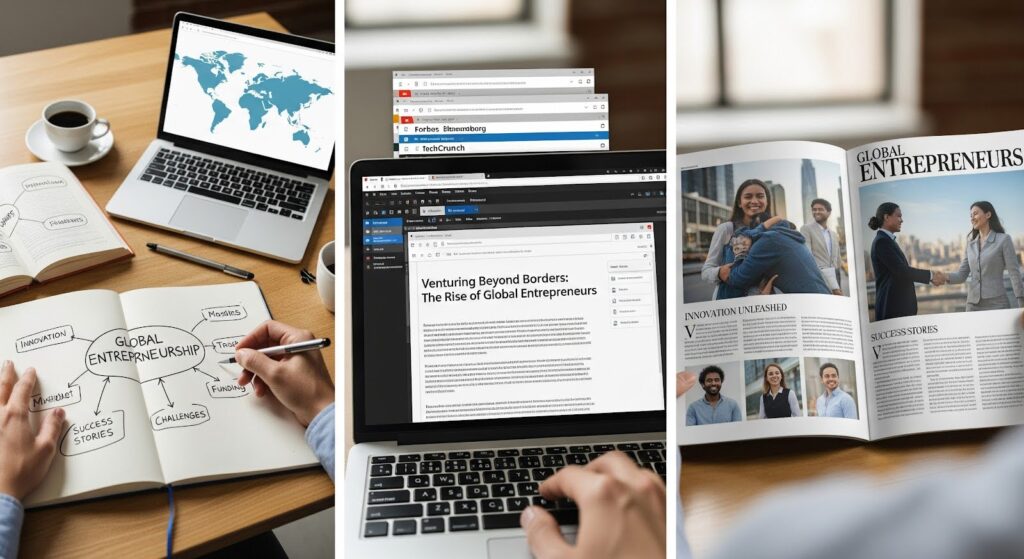
The feature story is one of the most powerful forms of writing. Unlike quick news updates, a feature dives deeper, giving readers the chance to connect with ideas, events, and people on a more human level. It’s where storytelling and journalism meet.
This article will walk you through how to write a magazine feature, from shaping your idea to building a strong draft that grabs attention.
Why Magazine Features Still Matter
Despite the rise of short-form content, feature stories continue to command attention. They’re not just long articles—they’re narratives that shape how people think, feel, and act.
Depth over snippets
In a world flooded with soundbites and headlines, features give space for context. They explain the why behind the what. Readers don’t just want to know what happened; they want to understand the forces, decisions, and personalities involved. That depth is what makes a feature story last longer than the news cycle.
Human connection
Good features remind us that behind every trend, event, or business decision are real people. Through profiles, anecdotes, and dialogue, they create emotional entry points that statistics or press releases can’t provide. This connection is why readers return to features for inspiration and perspective.
Authority building
For entrepreneurs, being the subject—or the writer—of a feature adds credibility. A well-crafted story positions you as someone worth listening to. It doesn’t just share facts about your business; it communicates values, lessons, and leadership qualities that resonate beyond your immediate circle.
Starting With the Right Idea
Every great feature starts with an idea strong enough to carry it. A vague topic won’t hold a reader’s attention, but a focused idea framed the right way can anchor a memorable story.
Match goals with publications
Not all magazines want the same kind of stories. Before pitching or drafting, study the publication. Ask yourself:
- Who reads it?
- What tone do they prefer—serious, conversational, aspirational?
- Do they focus on people, ideas, or trends?
By matching your goals with a publication’s audience, you increase your chances of not only being published but also being read by the right people.
Look for fresh angles
Editors receive endless pitches, many of which sound alike. To stand out, dig for angles others might have missed. Instead of writing about “entrepreneurship in tech,” you might focus on how immigrant founders are reshaping a specific market or how sustainability is driving niche industries. The best features often ask: what hasn’t been said yet?
Tie your idea to relevance
Magazines prioritize timeliness. Your idea doesn’t have to be tied to breaking news, but it should connect to something that feels current. Maybe it reflects a cultural shift, a new business challenge, or a broader conversation in society. When a feature taps into relevance, it has a stronger pull for editors and readers alike.
Researching Like a Journalist
A feature lives and dies by its research. Without it, even the best idea collapses into generalities. Strong research brings depth, credibility, and color to your story.
Primary sources matter
Firsthand voices bring authenticity. Conduct interviews with people directly connected to your subject—entrepreneurs, employees, customers, or experts. Their words and experiences provide the human element that readers remember long after they finish the article.
Secondary sources support
While firsthand voices carry the narrative, secondary sources add weight. Reports, studies, and existing articles provide context and authority. They also prevent your feature from sounding one-dimensional. Combining both sources ensures your piece is both engaging and credible.
Organize before writing
Research can easily overwhelm. Writers often gather more information than they use, which is why organization is essential. Keep detailed notes, highlight key quotes, and group material under themes. This preparation saves time and makes the drafting process smoother.
Structuring Your Feature
A magazine feature isn’t a free-flowing essay; it’s a carefully constructed narrative. Structure helps readers stay engaged and ensures your story delivers on its promise.
The engaging lead
The opening lines must hook the reader immediately. Instead of starting with background, open with a vivid image, a personal moment, or a striking fact. The goal is to spark curiosity so the reader feels compelled to continue.
The body’s rhythm
The middle section is where the bulk of information lives, but it should never feel heavy. Blend narrative with analysis, weaving in quotes, anecdotes, and data. Break up longer passages with subheadings or brief sections of dialogue to maintain energy.
The closing impact
Endings are often neglected, but they’re just as important as leads. A strong conclusion might circle back to the opening anecdote, pose a question for the future, or leave the reader with a striking image. The point is to close on a note that lingers in the reader’s mind.
Writing With a Reader in Mind
A feature succeeds when readers feel it was written for them. Your job is to keep their attention, guide them through complex ideas, and make sure every sentence rewards the time they’ve invested.
Clarity over jargon
Entrepreneurs sometimes fall into technical language that alienates readers. A feature isn’t the place for jargon—it’s the place for clarity. Replace industry terms with plain, compelling language. If a technical phrase is necessary, explain it with an example that grounds it in real life.
Characters make it real
Readers don’t remember abstract descriptions; they remember people. Profiles, anecdotes, and direct quotes bring characters to life. Whether it’s a founder navigating a tough decision or a customer whose life was changed by a product, characters turn ideas into relatable experiences.
Flow keeps them reading
Good writing has rhythm. Short sentences build energy. Longer ones slow the pace for reflection. Use transitions to move smoothly between sections, so readers never feel jarred or lost. A feature should feel less like a lecture and more like a story unfolding.
Editing for Precision and Punch
Drafting gets words on the page. Editing makes them sharp. A strong feature is often rewritten more than it is written.
Cut redundancies
Repetition dulls impact. Scan your draft for ideas that appear twice in different wording. If you’ve made a point clearly once, trust your reader to remember it. Cutting excess not only tightens the piece but also keeps momentum alive.
Strengthen your voice
Editing is the moment to refine tone. Ask yourself: does this sound like me? Does it match the audience I’m writing for? Your voice should carry confidence and personality without drifting into fluff. A sharp, distinct voice separates a forgettable article from a memorable one.
Fact-check everything
Accuracy builds trust. A single error can undercut credibility. Check names, dates, figures, and quotes against original sources. For entrepreneurs, fact-checking isn’t optional—it shows professionalism and respect for both subjects and readers.
Global Entrepreneurship Club and Your Feature Story
Writing is powerful, but publishing is what amplifies it. This is where the Global Entrepreneurship Club (GEC) comes in, offering entrepreneurs a platform to bring their stories from draft to audience.
A platform for your voice
GEC’s magazine gives space to entrepreneurs whose stories deserve to be heard. From in-depth profiles to industry insights, the publication highlights voices that can inspire and inform others. Contributing a feature transforms your personal journey into something bigger—a narrative that resonates with a global readership.
Building credibility through publication
When your story appears in a respected magazine, it carries weight. Being published signals that your ideas have value and that you’re part of the larger entrepreneurial conversation. This credibility can open doors to partnerships, media opportunities, and speaking engagements.
From local to global
Most entrepreneurs start by telling their story to a small circle—friends, customers, or local media. GEC expands that reach. Your feature doesn’t stop with your network; it travels across industries, borders, and communities, positioning you not just as a business owner but as a thought leader with an international platform.
Practical Tips for Staying Consistent
Writing a magazine feature can feel overwhelming, especially if it’s your first. The key is consistency. With a plan and discipline, you’ll move from idea to published story.
Create a realistic timeline
Deadlines turn vague goals into concrete progress. Decide when you want to finish your draft, then break that date into weekly milestones. A timeline keeps the project from stalling.
Break it into stages
Instead of thinking of the feature as one massive task, divide it into stages: idea, research, draft, edit. Tackle them one at a time. Each stage completed builds momentum for the next.
Seek accountability
Writing doesn’t have to be solitary. Share your progress with a mentor, peer, or writing group. Knowing someone expects to see your work creates healthy pressure and helps you push through writer’s block.
Conclusion
From idea to print, writing a magazine feature is both art and discipline. It requires strong concepts, careful research, clear structure, and a voice that connects with readers. For entrepreneurs, the rewards go beyond publication. A feature can boost credibility, showcase values, and inspire others navigating their own paths.
And you don’t have to do it alone. The Global Entrepreneurship Club offers the platform to share your feature story with a wider world, transforming personal insights into global influence. Your idea is ready. Now is the time to write it, refine it, and take it to print.